Jelly moisturizers deliver lightweight, water-based hydration with a springy texture. The bounce comes from polymer thickeners, not from dragon fruit extract or any single active. Dragon fruit adds a light antioxidant angle and a pink tint, but the hydration you notice depends mostly on humectants like glycerin and hyaluronic acid. If your skin is oily or combination, this format can feel more comfortable than a cream, while dry skin may still need an occlusive layer on top.
What a jelly texture does and does not do
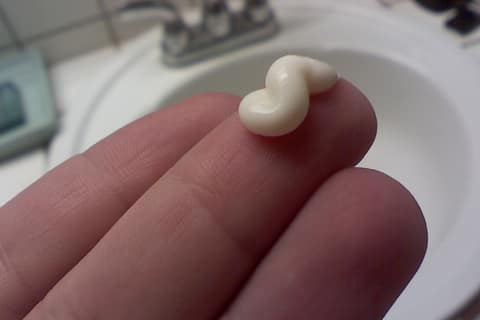
A jelly moisturizer is mostly water held in a semi-solid structure by gelling agents such as carbomer or hydroxyethylcellulose. It keeps its shape in the jar, then breaks into a thin layer on your skin. That makes it feel cooling and fast-absorbing, but the texture does not, on its own, provide more hydration than a runny gel or a cream. Hydration depth comes from the humectants and occlusives in the formula.
According to the launch coverage, Dot & Key's Dragon Fruit Bounce Jelly Moisturiser is one recent example. The product pairs the jelly form with dragon fruit extract and a pink tint. The launch frames it as a lightweight option for warmer weather, which is a common use for this format.
Dragon fruit extract: what the label means
Dragon fruit extract appears in beauty marketing for antioxidants and vitamin C. Independent evidence on topical dragon fruit in a moisturizer is limited. The extract mostly adds color, a light fruity scent, and a story. It is not the reason a jelly moisturizer hydrates, and most of the water-binding work comes from simpler ingredients like glycerin, panthenol, or hyaluronic acid.
Many plant extracts in leave-on products behave this way. For more on that, see What Plant Extracts Can and Can't Do for Your Skin Barrier.
Jelly vs cream vs gel
| Format | Feel | Best for | Occlusion | | Jelly | Bouncy, cool, fast-absorbing | Oily, combination, humid weather | Low | | Gel | Slippery, spreads easily | Oily or acne-prone skin | Low | | Cream | Rich, slower to absorb | Dry or mature skin, cold weather | Medium to high |
Jelly formulas often sit between a gel and a gel-cream. Some include a small amount of dimethicone or squalane to slow water loss. If a jelly has no occlusive and you sit in dry air all day, your skin may still feel tight by afternoon. That tightness is water evaporating from the surface, not the product failing to hydrate in the jar.
Who should use a jelly moisturizer
Choose a jelly moisturizer if your face gets shiny by lunch, your sunscreen pills over heavier creams, or you want a light layer before makeup. Oily and combination skin usually tolerate the format well. In humid heat, a jelly can replace a cream without leaving a film. The main payoff is less residue.
Dry skin can still use one, but treat it as a water layer rather than a final moisturizer. Apply it to damp skin, then press a thin cream or balm over it. If you are using a prescription retinoid or live in a cold, dry climate, a jelly alone may not be enough. Pregnant or breastfeeding readers should check with a clinician about any active products they use, but jelly moisturizers themselves are not a concern.
Potential downsides
Fragrance and added color are common in dragon fruit jelly products. Some people find these extras irritating, even if the base formula is simple. Patch test behind your ear or on your jaw for a few days before putting it all over your face, since color and scent are optional extras, not performance features. If it stings on application or leaves red patches, stop using it.
How to fit a jelly moisturizer into your routine
- Cleanse with a gentle water-soluble cleanser.
- Apply the jelly moisturizer while your skin is still damp.
- In the morning, follow with sunscreen once the jelly has set.
- At night, layer a cream or balm over it if your skin feels tight.
- Log tightness, shine, and any irritation in Roona for two to three weeks.
When to see a dermatologist
See a dermatologist if a jelly moisturizer causes persistent stinging, bumps, swelling, or an acne flare that does not settle after you stop the product. Also see a clinician if your skin stays tight and flaky despite layering an occlusive, or if you have a sudden severe reaction.
FAQ
Q: Are jelly moisturizers just water and thickener? A: They are mostly water and humectants held together with gelling agents. Good ones also include a light emollient or occlusive such as dimethicone or squalane. The jelly texture itself is a sensory choice.
Q: Does dragon fruit extract do anything for my skin? A: It may provide a little antioxidant activity, but topical evidence is limited. In most formulas, dragon fruit mainly adds color and a fruity scent. The hydration comes from the base ingredients, not the extract.
Q: Can I use a jelly moisturizer under sunscreen? A: Yes. Let it absorb for about a minute, then apply your sunscreen. Jelly textures tend to layer well under SPF because they are water-light and do not leave much residue.
Q: Is a jelly moisturizer enough for dry skin in winter? A: Often not on its own. Use it on damp skin as a hydration step, then add a cream or balm. In cold or heated indoor air, the extra occlusive layer prevents water loss.
This post is for general information only and is not medical advice.
Pick a jelly moisturizer with glycerin or hyaluronic acid in the first five ingredients. Patch test it for a week, then track shine, tightness, and breakouts in Roona before deciding whether the bounce is worth a permanent slot in your routine.
Frequently asked questions
- Are jelly moisturizers just water and thickener?
- They are mostly water and humectants held together with gelling agents. Good ones also include a light emollient or occlusive such as dimethicone or squalane. The jelly texture itself is a sensory choice.
- Does dragon fruit extract do anything for my skin?
- It may provide a little antioxidant activity, but topical evidence is limited. In most formulas, dragon fruit mainly adds color and a fruity scent. The hydration comes from the base ingredients, not the extract.
- Can I use a jelly moisturizer under sunscreen?
- Yes. Let it absorb for about a minute, then apply your sunscreen. Jelly textures tend to layer well under SPF because they are water-light and do not leave much residue.
- Is a jelly moisturizer enough for dry skin in winter?
- Often not on its own. Use it on damp skin as a hydration step, then add a cream or balm. In cold or heated indoor air, the extra occlusive layer prevents water loss.
Sources
Trend source: The Tribune (US)
Keep reading
-
Slugging to Gua Sha: What Viral Hacks Deliver in Singapore
Slugging to gua sha and other viral skincare hacks: find out what actually delivers in Singapore's humid climate, which ones to skip, and why. Get the facts. 24 October 2026 -
Men's Skincare Routines: What Actually Works From Zero
Men's skincare routines: what actually works when you're starting from zero. A simple cleanser, moisturizer, and SPF routine to manage oil and razor irritation. 15 October 2026 -
The Skincare Myths That Won't Die (and What Replaces Them)
Steam doesn't open pores and tingling isn't progress. A calm look at the skincare myths that keep circulating, and the less dramatic advice that works better. 4 August 2026