A sunscreen that sits comfortably in an air-conditioned office may feel heavy after a walk from the LRT. A cleanser that works well during a humid week in Penang may leave another person's skin tight by evening. These everyday differences make one point clear: "Asian skin" cannot describe one set of needs.
Singaporean dermatologist Dr Teo Wan Lin has challenged the beauty industry's habit of using the phrase as a shortcut. Her point matters in Malaysia, where shoppers compare local, Korean and Japanese formulas while managing heat, strong sun, indoor air-conditioning, sweat and, for many people, hijab-friendly routines.
The useful question is not which product is made for Asian skin. It is which skin, climate, routine and formulation the product was made to support.
Why the label "Asian skin" leaves out too much
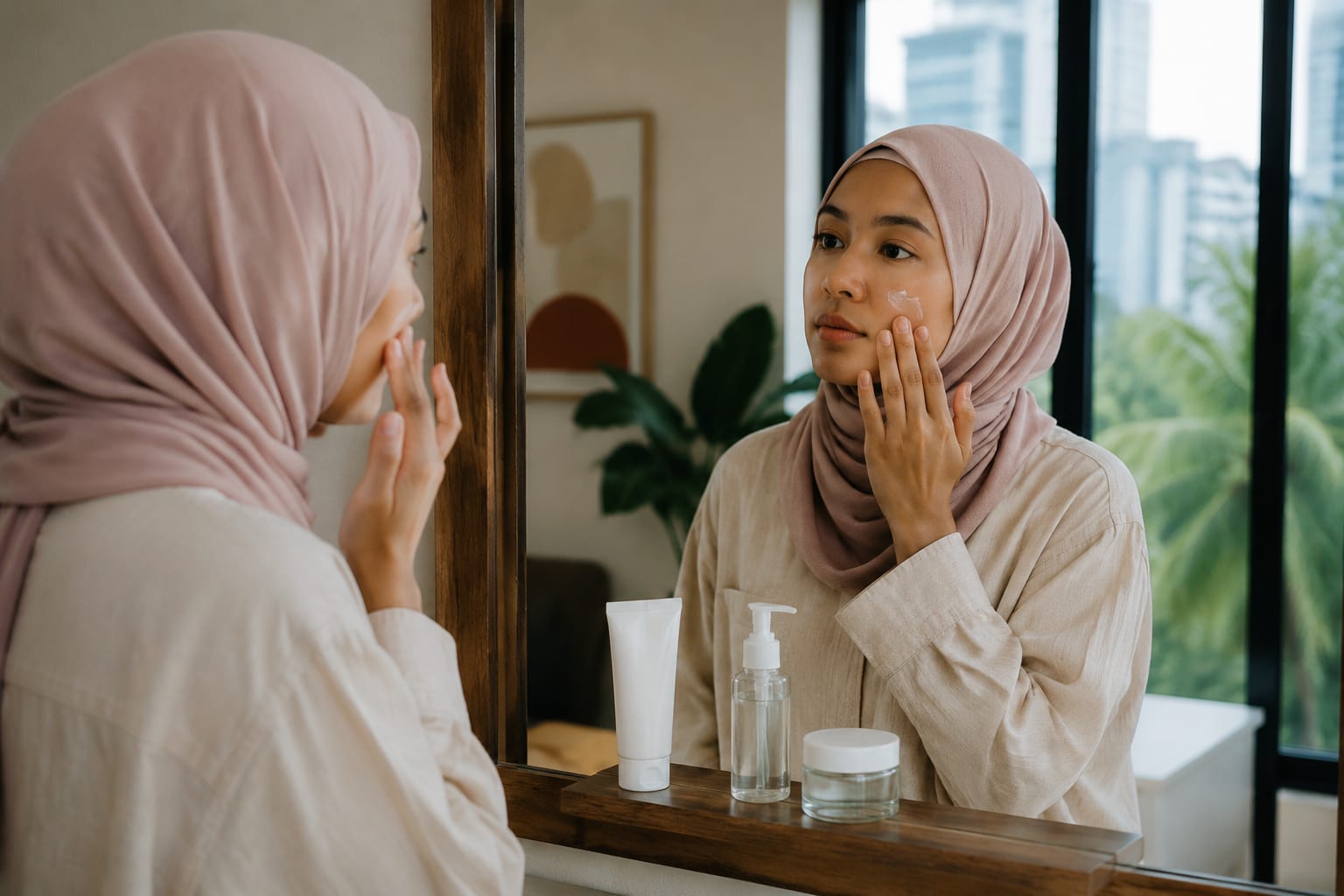
Asia includes many climates, ethnic groups, skin tones and daily habits. A person living in Kuala Lumpur does not have the same environmental exposure as someone in a cooler inland city. A person who wears a hijab may cover much of the face and neck during the day, while another person may spend hours outdoors without that layer of fabric. Both can live in Malaysia and have different product needs.
Genetics also vary across the region. So do oiliness, sensitivity, pigmentation patterns and the way skin responds to fragrance, exfoliating acids or strong cleansing. A broad regional label can hide those differences instead of helping shoppers identify them.
Dr Teo Wan Lin's criticism of the shorthand is useful because it shifts attention away from a single "Asian" formula. Formulators need to think about measurable properties such as skin feel, water loss, pigment visibility, ingredient tolerance and the conditions in which a product will be used.
That approach is more practical for Malaysian shoppers. You can judge a product by its formula and your own response rather than assuming that a country of origin predicts how it will work for you.
Humidity changes the way a formula behaves
Malaysia's heat and humidity affect the experience of skincare. A rich cream that feels comfortable in a dry winter climate may feel sticky during a humid afternoon. Sweat and sebum can also make several layers feel difficult to wear, especially under makeup or a hijab.
The answer is not to remove every moisturising step. Water-based products, light lotions and gel creams can provide a less heavy option for daytime. Ingredients such as glycerin, panthenol and hyaluronic acid attract or hold water in a formula, while a moisturiser helps reduce water loss from the skin. The right balance depends on your skin and the rest of your routine.
Try a smaller amount before adding another layer. Apply a light moisturiser after cleansing, then check how your skin feels at midday and at night. If your face feels greasy but tight, you may be using a texture that is too heavy, cleansing too often or layering more products than your skin needs.
Air-conditioning adds another variable. An office can feel cool and dry while the outdoor air remains hot and humid. If your cheeks or around the mouth feel tight after a full day indoors, a lotion or cream at night may suit you better than adding several hydrating serums in the morning.
Pigmentation needs a formulation that fits daily life
Uneven-looking tone is a common reason Malaysian shoppers seek skincare. Strong sunlight, visible light and marks left after irritation can all affect how tone appears. The most useful routine is one you can wear and reapply as your day requires.
A sunscreen with an SPF and broad-spectrum label can support daytime sun protection. Choose a texture you will apply generously to the face, ears and neck. If you wear a hijab, remember the exposed areas around the face still need attention. Reapply after sweating, wiping the face or spending extended time outdoors, following the product directions.
Tinted sunscreen can also be worth considering if the shade matches your complexion and the formula suits your skin. Iron oxides in tinted products may help reduce visible white cast, but shade range and finish vary widely. Test the product in daylight rather than judging it under a shop's indoor lighting.
For products containing niacinamide, azelaic acid or vitamin C, start with one new product at a time. These ingredients appear in many tone-focused formulas, but a higher concentration is not automatically a better choice for every person. Patch testing can help you spot irritation before applying a new product across your face.
Keep the routine steady while you assess it. Changing a cleanser, serum, moisturiser and sunscreen together makes it hard to know which product caused a reaction or which step suits you.
Skin tone should shape testing and product design
A formula can look acceptable on pale skin and leave a visible cast on deeper complexions. This matters for mineral sunscreen, tone-up products, powders and tinted base products. It also matters when brands photograph swatches or show redness and irritation across only a narrow range of tones.
Malaysian shoppers can check a product in several ways:
- Apply sunscreen along the jaw and wait a few minutes before assessing the finish.
- View foundation, cushion or concealer shades near a window, not only under store lighting.
- Look for swatches on skin tones close to your own.
- Check whether a product leaves a grey, purple or overly pale cast after it sets.
- Take account of oxidation if a base product changes colour during the day.
Formulators should treat shade range and residue as performance questions, not cosmetic extras. The product needs to work on the skin tones it claims to serve, in the light and climate where people will use it.
Skin type is only one part of the routine
The labels oily, dry, combination and sensitive can help you choose a starting point. They do not explain every reaction. A person with oily skin can still experience tightness after a foaming cleanser. A person with dry cheeks may prefer a lighter daytime moisturiser in humid weather. Someone with reactive skin may tolerate one exfoliating acid but not a fragranced toner.
Build your routine around what happens after a step. After cleansing, does your face feel comfortable or tight? After moisturiser, does sunscreen pill? After a serum, do you notice stinging or persistent redness? These observations are more useful than buying a product because its label includes the word "Asian".
A simple daytime routine might include:
- A gentle cleanser, or a water rinse if your skin does not need a morning cleanse.
- A light moisturiser when your skin feels dry or tight.
- Sunscreen applied to exposed skin.
At night, remove sunscreen and makeup with a cleansing oil, balm or micellar water if needed, then follow with a gentle cleanser. Add one treatment product only if you have a clear reason to use it. A plain moisturiser can complete the routine.
If you are comparing products, track your routine with Roona and note the product, time of day, climate, skin feel and any visible changes. A short record can reveal that a product works well on office days but feels heavy after outdoor exercise.
Formulation should account for local routines
A product's formula has to fit the way people use it. In Malaysia, that can mean quick morning application before commuting, sunscreen under a hijab, reapplication during an outdoor lunch or a shorter routine after a late shift. A beautiful ingredient list is less useful when the texture makes regular use difficult.
Brands should explain the finish, fragrance, active ingredients and intended order of application in plain language. They should also test products with a range of skin tones and in conditions that reflect hot, humid days. Claims about suitability for Asian skin need more detail than a label or campaign image.
Shoppers can check the ingredient list and packaging before buying. Look for the product's intended use, directions and any warnings. For products sold in Malaysia, checking for NPRA notification details is part of a sensible purchase routine. If halal certification matters to you, check the specific product and certification information rather than assuming that every item from a brand has the same status.
On Watsons, Guardian, Shopee or Lazada, compare the official brand store with the product page and check the seller before ordering. A lower price does not explain whether the item is authentic, properly stored or intended for the Malaysian market.
A better way to choose skincare in Malaysia
The most helpful lesson from Dr Teo Wan Lin's challenge is a change in the starting point. Regional knowledge matters, but it should lead to more precise questions, not a new stereotype.
Before buying, consider:
- Your main concern, such as shine, tightness, uneven tone or sunscreen residue.
- The climate and setting where you will wear the product.
- Your skin tone and whether the finish leaves a cast.
- The texture you can apply and reapply without abandoning the step.
- The ingredients your skin already tolerates.
- The product's directions, seller information and Malaysian registration details.
This way of choosing skincare leaves room for local products, Japanese sunscreens, Korean essences and formulas made elsewhere. Country of origin can tell you something about a brand's design approach, but it cannot predict your result on its own.
Your routine can stay small. Cleanse when needed, moisturise according to your skin and surroundings, use sunscreen during the day, then introduce treatments one at a time. If you want a clearer view of what suits you across workdays, travel and outdoor time, you can keep a simple skincare log with Roona. Use it as a record of your own patterns, not as a test you need to pass.
Trend source: L'Officiel Philippines (MY)
Keep reading
-
Sephora Afterpay Sale Singapore: What to Buy and Skip
Make smarter Sephora Afterpay Sale purchases in Singapore with a practical guide to useful skincare, makeup and haircare deals worth skipping. 27 August 2026 -
The Viral Skincare 'Dangers' You Can Safely Ignore
Not every viral skincare warning deserves your anxiety. Here's how to tell which ingredient fears are grounded in evidence and which are just noise. 10 August 2026 -
Do Skincare Fridges Actually Protect Your Products?
Mini skincare fridges are trending again. What chilling actually does for your serums and sunscreen in Malaysia's heat, and when it's just decoration. 6 August 2026