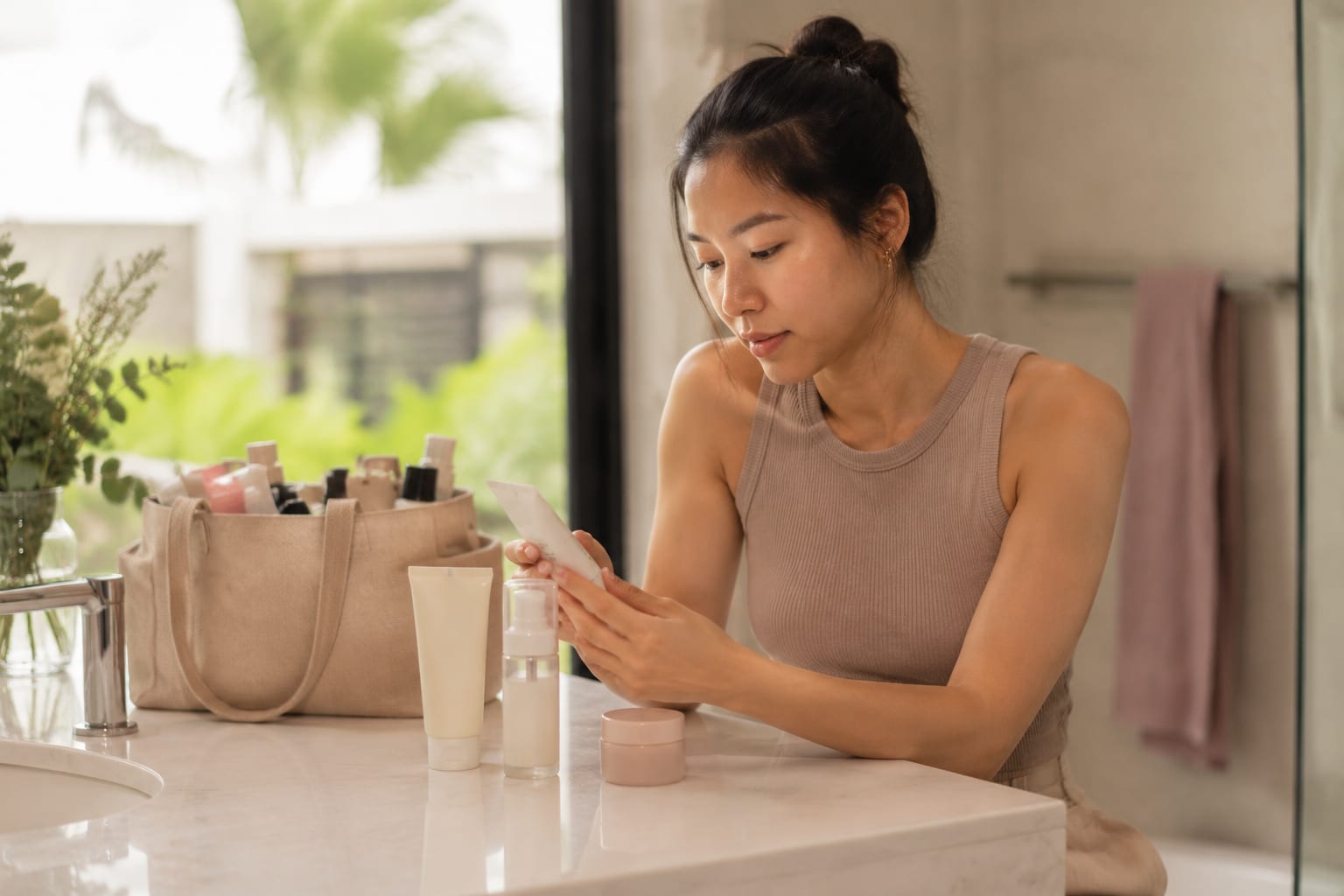
A sale tab is easy to open between meetings, especially when a cleanser you already use appears beside a limited-edition set and a dramatic new serum. Before you add anything to your Sephora basket during Afterpay Day, give each product a job, check the ingredients, and work out whether the saving matters to your routine.
The best sale purchase is rarely the most exciting one. In Singapore's humidity, air-conditioned offices and frequent showers, a useful replacement can do more for your skin than another product with a clever launch story.
Start with your routine, not the discount
Open your bathroom shelf before opening Sephora. Check how much cleanser, moisturiser, sunscreen and any treatment you already own. A sale price does not make a duplicate useful if the first bottle is still half full.
Write down the step you want to restock and the problem you want that step to solve. For example, you might need a low-foam cleanser for morning use, a light moisturiser for office days, or a broad-spectrum sunscreen that you will apply to your face and neck before leaving home.
A simple shortlist keeps the sale from expanding into a second routine:
- Replace a product that is nearly finished.
- Buy a formula you have already used without trouble.
- Choose one new product only if you can explain where it fits.
- Leave products with overlapping jobs in your wishlist.
Track the routine with Roona if you want a clearer record of what you use, when you introduce it, and how your skin responds over time. That record can stop a sale purchase from becoming another unopened bottle.
What is worth buying during a Sephora sale
A sunscreen you will apply every morning
Sunscreen is one of the most practical sale purchases when your current tube is close to empty. Look for the protection level and application instructions on the product label, then choose a texture that suits your actual day. A lightweight fluid may work well for a humid commute, while a more moisturising formula may suit a day spent in air-conditioning.
Check the finish on your own skin before buying a large format or multipack. If you dislike a sticky film, a product that feels heavy after ten minutes is unlikely to become a reliable morning step. For face sunscreen, consider whether the formula works around your eyes and under makeup. For exposed body areas, check whether you will use enough of it for the bottle to be worthwhile.
A bundle can make sense when it contains the same sunscreen you already finish regularly. It deserves more scrutiny when it pairs a familiar product with an untested cleanser, mask or serum that you would not buy alone.
A cleanser with a clear job
A cleanser can be a sensible replacement because it gets used often. Choose based on what you need it to remove. A gentle cleanser may suit a morning wash or an evening when you wore little makeup. A cleansing balm or oil can help remove makeup and water-resistant sunscreen before a second cleanser.
Look for a formula that leaves your skin clean without making the next step sting. Fragrance, essential oils and strong foaming agents are not automatically unsuitable, but they can be poor choices if your current routine already feels tight or reactive. Read the ingredient list instead of relying on words such as "glow" or "detox" on the front of the pack.
Buying a larger refill or a backup of a cleanser you already know is usually more useful than collecting several travel-size options. Travel sizes have a place when you are testing a formula. A sale is not a reason to store them indefinitely.
A moisturiser suited to Singapore's indoor and outdoor shifts
Singapore can leave you moving between humid streets and dry air-conditioning within the same day. Your moisturiser needs to fit the times you use it, not an imagined routine.
Look for humectants such as glycerin or hyaluronic acid if you want a formula that helps hold water at the skin surface. Ingredients such as squalane, dimethicone or plant oils can add a more protective feel, though the right choice depends on your skin and the rest of your routine. A gel-cream may work for daytime, while a richer cream may suit areas that feel dry at night.
You do not need two moisturisers simply because a brand sells a day and night set. Buy a second texture only when your face, climate and schedule give it a clear role. Test a new formula on a small area first if your skin often reacts to new products.
A familiar makeup staple
Colour cosmetics are good sale candidates when you already know the shade and finish you use. Think about a concealer that matches your current complexion, a mascara you replace on a regular schedule, or a lip product you reach for several times a week.
Check the shade in daylight when possible. Sephora lighting can differ from the light near your home or office. A set with four colours is poor value if you will use one and leave the rest untouched.
Mascara and liquid eyeliner also need a realistic use plan. Buying a backup may be reasonable if you are close to finishing your current one and can check the product's recommended period after opening. Several backups create waste before you have a chance to use them.
What to skip, even when the price looks good
Sets built around products you would not choose alone
Gift sets often make the discount look larger than it is. Add up the products you would genuinely buy, then compare that value with the full set price. If the set includes a body mist, mask or shade you do not want, treat that item as part of the cost, not a bonus.
A mini set can help you test a brand. It can also leave you with several tiny products that are hard to assess and difficult to use consistently. Choose it when the sizes give you enough product to make a fair decision, not because the packaging feels collectible.
Strong active formulas without a plan
Sale pages often make exfoliating acids, retinoids and high-strength vitamin C products look like quick upgrades. These ingredients have specific uses and can create problems when you add several at once or combine them with products that already irritate your skin.
AHA and BHA products exfoliate the skin. Retinoids change how skin cells behave over time. Vitamin C formulas vary in ingredient form and strength. The label alone cannot tell you how your skin will respond, and a lower price does not make an unfamiliar active easier to introduce.
Skip a treatment if you cannot name the step it will replace or the days you will use it. Do not start multiple new actives during the same sale. If a product causes persistent stinging, swelling or a rash, stop using it and seek advice from a qualified healthcare professional.
A second serum with the same promise
Compare the ingredient lists of the serums already on your shelf. Niacinamide appears in products marketed for visible pores, oil control and barrier support. Hyaluronic acid appears in many hydration products. Buying three similar serums can make it harder to tell which product suits you.
A new serum earns a place when it has a distinct role, such as azelaic acid in a routine chosen for a specific concern, or a simple hydrating formula for use under moisturiser. Read the full ingredient list, not only the headline ingredient. Fragrance, essential oils and a long blend of botanical extracts may matter if your skin is sensitive.
Products bought for a fantasy routine
A twelve-step routine can look satisfying on a sale page. It can also take too long on a weekday morning before a commute, or feel uncomfortable under sunscreen in Singapore's humidity. Your routine should fit the time you have at 7:30am and after a late dinner.
Before buying, place the product in a real sequence:
- Morning: cleanse if needed, moisturise if needed, then apply sunscreen.
- Evening: remove sunscreen or makeup, cleanse, apply a chosen treatment, then moisturise.
- Weekly: use a mask or exfoliant only if it has a clear place and your skin tolerates it.
If you cannot say when you will use the item, leave it in the wishlist for a week. The sale may end, but a product you do not use is still an avoidable expense.
Check the Afterpay total before you check out
Afterpay splits a purchase into scheduled payments, but the basket still represents the full cost of the products. Review the total, payment dates and any applicable terms shown at checkout. Avoid adding an item because each instalment looks small when the full basket is outside your planned spending.
Compare the sale price with the product's usual price on the official Sephora Singapore site and check the size. A discounted 15 ml bottle may cost more per millilitre than a larger product you already trust. Also check whether the item is final sale, whether a bundle changes the return conditions, and when the expiry or recommended period after opening matters for products such as sunscreen, mascara and vitamin C.
Keep your receipt and note the date you opened anything new. This makes it easier to track what worked and reduces the temptation to keep changing products when the real issue is an overcrowded routine.
A five-minute basket test
Before payment, ask yourself four direct questions. What step does this product fill? Will I use it within the next few weeks? Have I checked the shade, size and ingredients? Would I still want it without the sale label?
If the answer to the last question is no, remove it. If you are unsure about one item, save it for later and buy only the replacement products you already understand. Sephora, Watsons and Guardian will keep offering new launches, while a calm routine gives you better information than a crowded shelf.
The Afterpay Day sale can be a useful time to restock sunscreen, cleanser, moisturiser or a makeup staple you already finish. Let the discount support a decision you had already made. If you would like a simple place to review your products and routine, try Roona as your skincare companion.
Trend source: marieclaire.com.au (SG)
Keep reading
-

Sephora's Tween Skincare Lawsuit: What Parents Need to Know
A clear guide for Singapore parents on the Sephora youth skincare lawsuit, ingredient labels, age-appropriate routines, and safer shopping decisions. 8 October 2026 -
The Viral Skincare 'Dangers' You Can Safely Ignore
Not every viral skincare warning deserves your anxiety. Here's how to tell which ingredient fears are grounded in evidence and which are just noise. 10 August 2026 -

Sharing a Skincare Shelf With Your Partner: What Works
Couples share moisturizer, sunscreen and serums all the time. What's genuinely fine to double up on, and what deserves its own bottle. 2 August 2026