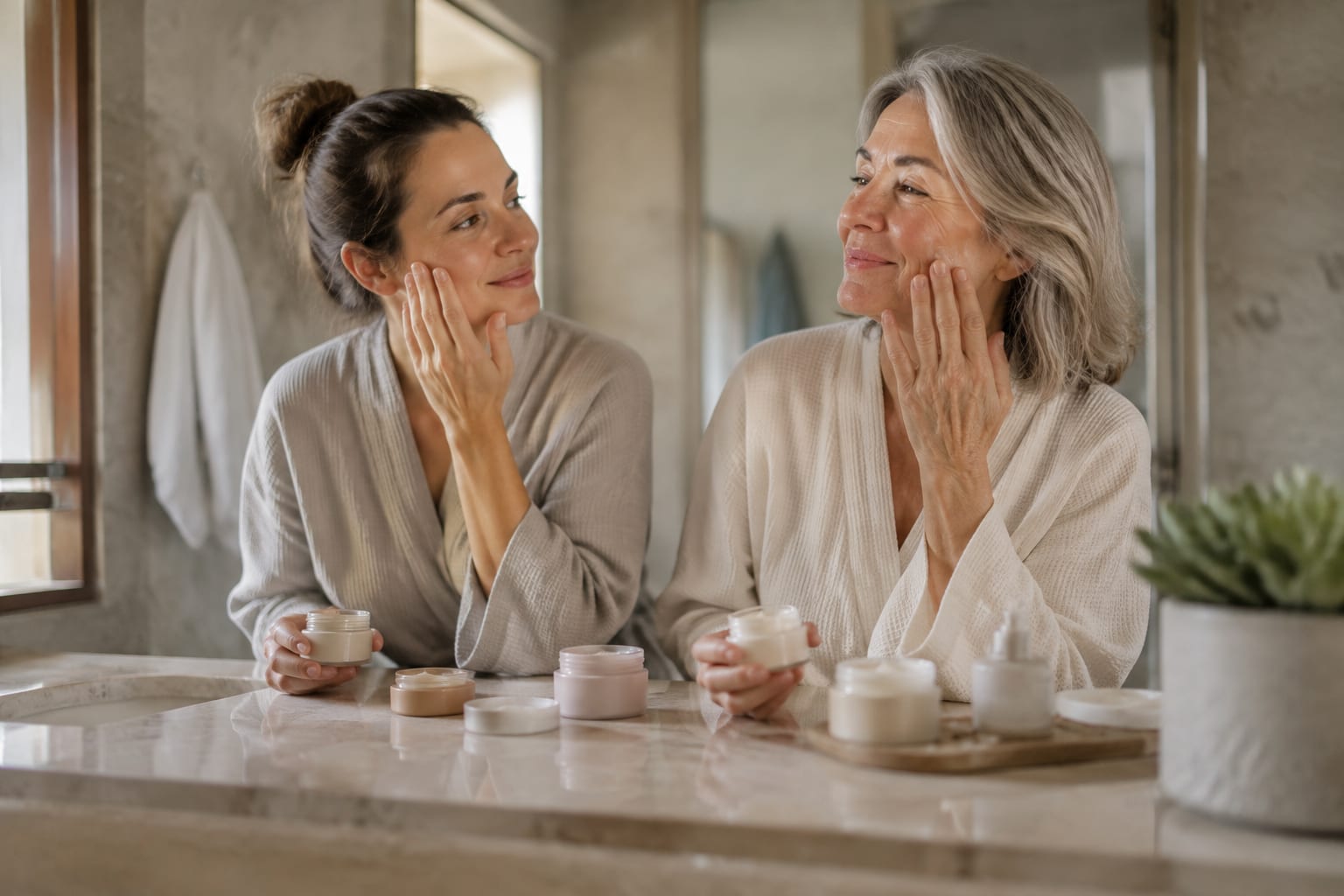
A product can look convincing on Martha Stewart's bathroom shelf, then feel far less essential when it meets your own sink. That gap matters with 111SKIN, the Swiss skincare brand linked to Stewart's routine in InStyle coverage. The brand has become a talking point for shoppers across generations, partly because Stewart's polished, 84-year-old appearance gives its products a powerful visual endorsement.
The useful question is smaller than whether a cream can reverse aging. What does the formula do, who needs that function, and does the price make sense beside simpler products with similar ingredients?
Why Martha Stewart's 111SKIN routine caught attention
Celebrity skincare recommendations usually target one age group or one fast-moving trend. Stewart's routine lands differently. A 26-year-old may see a rich cream as optional, while a 61-year-old may look for a moisturizer that reduces the tight feeling that follows a winter cleanse. The same jar can occupy two very different places in a routine.
111SKIN sits in the luxury skincare category, with products built around ingredients such as peptides, hyaluronic acid, antioxidants, and soothing agents. The exact formula matters more than the name on the jar. A cleanser, serum, eye product, and moisturizer each have a different job, and a high price does not change that basic order.
Stewart's skin also cannot prove what a product will do for everyone. Genetics, sun exposure, sleep, climate, cosmetic procedures, makeup, lighting, and a long history of skincare all shape how someone looks on camera. Her routine can spark a useful conversation, but it cannot isolate the effect of one brand.
What the 26-year-old tester may notice
For someone in their 20s, a 111SKIN routine may add texture and comfort rather than a dramatic change. A 26-year-old who already uses a gentle cleanser, moisturizer, and broad-spectrum SPF may have little reason to replace every step with a luxury version.
The most useful test is practical. Try one product at a time, preferably a moisturizer or a simple serum, and keep the rest of the routine familiar. That makes it easier to notice whether the product leaves skin comfortable through the day, sits well under sunscreen, or pills beneath makeup.
A younger shopper may also notice that an elaborate routine creates more opportunities for irritation. Adding a cleanser, essence, serum, eye cream, mask, and moisturizer in one weekend makes it hard to identify the product responsible for redness or stinging. It also makes the routine harder to repeat when the novelty fades.
For this age group, the takeaway is clear: choose the function before the celebrity connection. If the goal is daily moisture, compare the 111SKIN cream with a fragrance-free moisturizer. If the goal is antioxidant support, check the full ingredient list and use sunscreen every morning. If the goal is smoother-looking texture, introduce exfoliating acids with care instead of stacking several active products.
What the 61-year-old tester may notice
A 61-year-old may value a richer moisturizer more than a 26-year-old does, especially during a United States winter when indoor heat and cold air can leave skin feeling dry. A cream that reduces water loss can make cleansing and makeup application more comfortable. That is a real benefit, even when it does not erase lines.
The same tester may also pay closer attention to fragrance, essential oils, and active ingredients. Skin can become more reactive with age, and a product that feels elegant on the first night may not suit daily use. Patch testing a new product on a small area helps limit the cost of a full-face reaction, although it cannot predict every response.
The best comparison focuses on skin function rather than age. Ask whether the moisturizer supports a comfortable morning routine, whether it works under SPF, and whether the formula leaves a greasy layer that transfers to clothing or hair. Those details matter more than a before-and-after photo taken under different lights.
If dryness is the main concern, a 61-year-old does not need every product in a luxury collection. A gentle cleanser at night, a moisturizer suited to the climate, and sunscreen during the day can form the working structure. A serum or eye cream can join later if it earns its place.
What 111SKIN ingredients can and cannot do
Ingredient categories explain more than the brand story.
- Hyaluronic acid binds water at the skin's surface and can make skin look temporarily plumper when the formula suits it. Apply a hydrating product as directed, then follow with moisturizer if the skin feels dry.
- Peptides appear in many products designed to support the look of firmness and smoothness. Their value depends on the specific peptide, formula, and regular use. A product label alone cannot predict the result.
- Antioxidants help defend a formula and support cosmetic care for skin exposed to everyday environmental stress. They do not replace sunscreen.
- Exfoliating acids can improve the look of uneven texture, but frequent use can leave skin irritated. Avoid adding several exfoliating products at once.
- Fragrance and essential oils may make a product smell distinctive. They can also bother people with sensitive skin, so check the ingredient list before buying.
This is where the phrase "aging in reverse" needs a careful reading. A moisturizer can soften the look of dryness. A hydrating product can make fine lines look less noticeable for a time. Sunscreen can help limit sun-related changes when used consistently. None of those effects turns back biological age.
How a mother and daughter can test the brand fairly
A shared trial works best when both people judge the same product by the same practical measures. The 26-year-old and 61-year-old do not need identical routines, but they can compare comfort, texture, fragrance, layering, and cost per use.
Start with a single product for several days. Keep cleanser, sunscreen, and makeup steady. Use the product at the same time of day and note what happens after application, after several hours, and after makeup goes on. A quick routine log in Roona can record the product, application time, skin concern, and any change worth watching.
A useful trial checklist includes:
- Does the product sting, itch, or cause persistent redness?
- Does it leave skin comfortable after cleansing?
- Does it layer cleanly with sunscreen in the morning?
- Does the texture suit the season and the person's skin type?
- Would the person buy it again at the current price?
The last question brings the comparison back to shopping reality. A 111SKIN product may feel pleasant and well designed, but a less expensive formula can still meet the same need. Compare the ingredient list, size, fragrance, return policy, and how often you would use it. Sephora and department store counters may make sampling easier, while direct brand purchases may offer a different return process. Check the current policy before ordering.
A routine that keeps the useful parts
Morning care can stay short:
- Rinse with water or use a gentle cleanser if needed.
- Apply a hydrating serum or moisturizer if the skin feels dry.
- Finish with broad-spectrum SPF and reapply as directed during extended outdoor time.
At night, remove makeup and sunscreen, cleanse without scrubbing, then apply one treatment product if you use one. Follow with moisturizer. A richer cream may suit a dry winter evening, while a lighter lotion may sit better under daytime SPF or in humid summer weather.
Do not copy Stewart's entire shelf to copy the visible result. Copy the habits that have a clear job: cleansing without overdoing it, moisturizing when skin needs comfort, protecting exposed skin from the sun, and giving each new product enough time to show whether it fits your routine.
What the 111SKIN conversation gets right
A cross-generational skincare test exposes a weakness in celebrity beauty marketing. One person's appearance cannot act as a product review. It can, however, prompt better questions about texture, ingredients, routine design, and value.
For a 26-year-old, the brand may be an enjoyable upgrade if a particular formula fits a real need. For a 61-year-old, a rich moisturizer may offer useful comfort during dry weather, but it still deserves the same ingredient and irritation check as any other product. Neither shopper needs a full collection to build a thoughtful routine.
Martha Stewart's 111SKIN connection is worth treating as an invitation to inspect the formula, not a reason to expect an age-changing result. Track one change at a time, keep sunscreen in the morning routine, and let your own skin's response guide the next purchase. You can keep a simple skincare record with Roona when a routine starts to feel crowded or difficult to compare.
Trend source: instyle.com (US)
Keep reading
-
Glowcations: Why Seoul Is the New Skincare Getaway
Seoul's skincare travel trend blends clinic appointments, K-beauty shopping, and routine planning into a more thoughtful alternative to the spa weekend. 5 September 2026 -
The viral Brazilian Break skincare bag, edited for real travel
Build a lighter Brazilian Break skincare bag with practical travel sizes, heat-friendly ingredients, SPF, and a routine you can actually follow. 30 August 2026 -
Sephora Afterpay Sale Singapore: What to Buy and Skip
Make smarter Sephora Afterpay Sale purchases in Singapore with a practical guide to useful skincare, makeup and haircare deals worth skipping. 27 August 2026