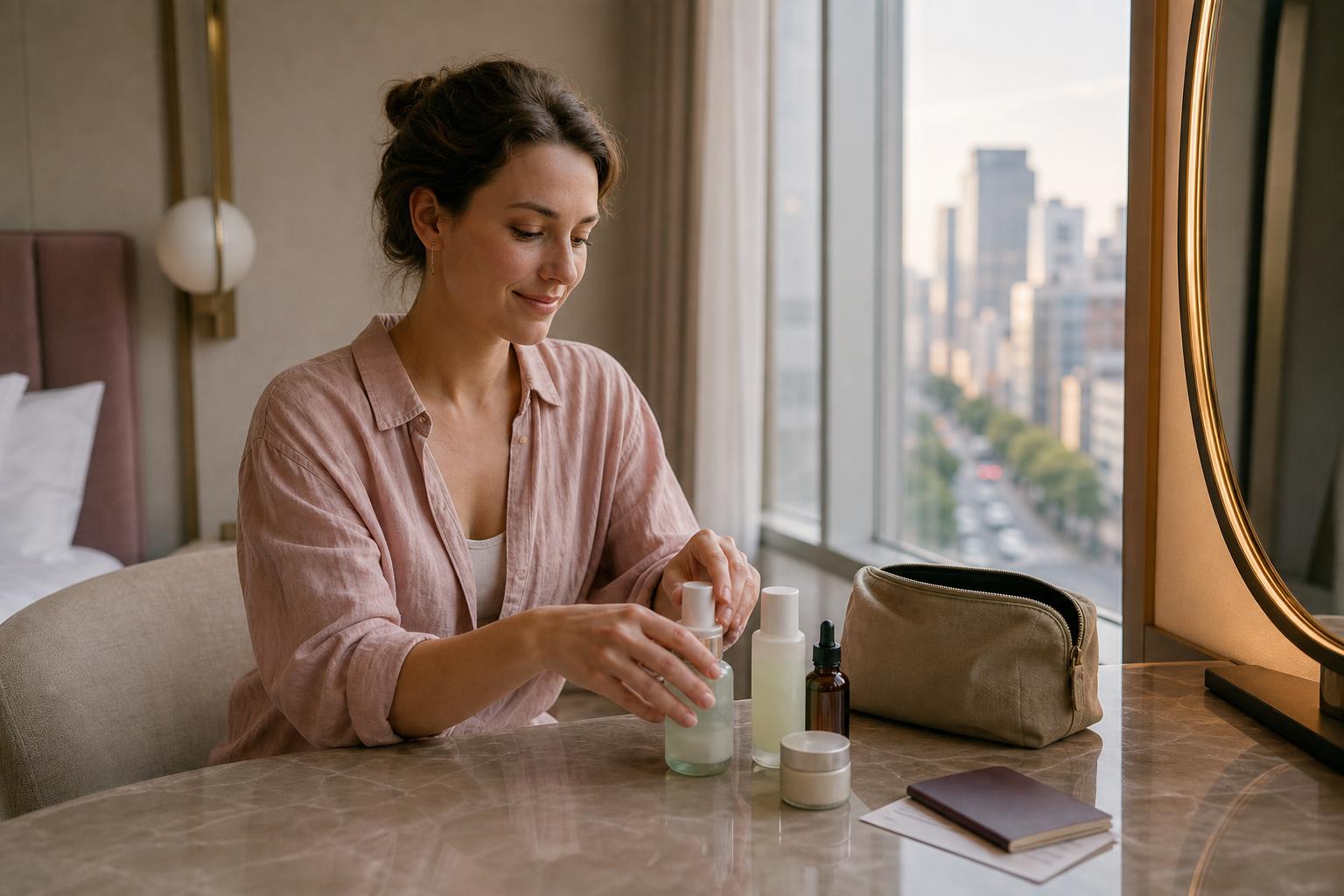
Your hotel room in Seoul has barely warmed up before the day begins: a clinic consultation in the morning, sunscreen shopping in Myeongdong after lunch, and a careful look at your calendar before booking anything that might leave you red for a flight home. That is the glowcation, a skincare-focused trip built around appointments, product discovery, and time to recover.
The idea sits somewhere between a city break and a spa weekend. The difference is the level of planning. Visitors are building trips around skincare clinics, Korean beauty retailers, ingredient-led products, and the chance to learn how local routines fit into everyday life. Seoul makes that format easy to imagine because beauty shopping, clinics, cafés, hotels, and public transit sit close together in many popular neighborhoods.
A glowcation can be fun. It can also become expensive, rushed, or uncomfortable when every appointment comes from a viral video. A calmer plan starts with a clear goal, enough empty time, and realistic expectations about what a trip can and cannot do for your skin.
What a Seoul skincare trip usually includes
A skincare-focused visit to Seoul may combine several kinds of activities:
- A consultation at a dermatology clinic or aesthetic clinic
- A facial or other noninvasive skin service
- Visits to beauty retailers such as Olive Young and department store counters
- Ingredient research at shops in Myeongdong, Gangnam, or Seongsu
- Time to test a small number of products instead of buying an entire routine
- Rest days before a long flight or a return to a dry, heated home
The clinic side varies widely. Some visitors want a consultation and a basic skin analysis. Others ask about cosmetic procedures, devices, or prescription options. A consultation should be a conversation about your concerns, health information, timeline, and aftercare. It should not feel like a race to accept the most intensive service on the menu.
Retail is a major part of the appeal. Korean beauty stores let visitors compare sunscreens, cleansers, toners, moisturizers, masks, and serums in one outing. You may see familiar names such as COSRX, Beauty of Joseon, Round Lab, Anua, and Sulwhasoo alongside products that are harder to find in the United States. The display density can make every bottle look urgent. It is not. Your existing routine and skin tolerance still matter more than a crowded shelf.
Why Seoul fits the glowcation trend
Seoul gives skincare travelers something a traditional spa weekend often does not: a city where beauty care is part of the shopping and travel rhythm rather than a single hotel appointment. A morning clinic visit can sit beside a café stop and an afternoon retail visit without requiring a car. That convenience makes a multi-day trip feel more practical for someone who wants to explore products and services in person.
K-beauty also gives travelers a familiar vocabulary. Ingredients such as centella asiatica, snail mucin, rice extracts, ceramides, niacinamide, and sunscreen filters appear across Korean product lines. Social platforms have made those ingredients recognizable to shoppers who may never have visited Korea. A trip turns online curiosity into a physical experience: reading labels, comparing textures, asking staff about use, and deciding what fits your routine at home.
The retail environment encourages browsing, but a good glowcation needs a filter. Skin does not know that a product became popular on TikTok. It responds to the formula, the amount you apply, how often you use it, and what else you put on your face that day. A new essence may be pleasant to use, but buying five new products at once makes it hard to identify the source of irritation if your skin reacts.
Plan the clinic part before booking flights
Clinic appointments deserve more research than a restaurant reservation. Start by writing down what you want to discuss. Use specific language such as uneven tone, recurring breakouts, dryness after cleansing, or sensitivity to fragranced products. Bring a list of your current products and any relevant health information that the clinic requests.
Before booking, check:
- The clinic's full name, location, and contact details
- Who will perform the consultation or service
- What the quoted fee includes
- Whether an interpreter is available in a language you understand
- The expected aftercare and any activity or sun guidance
- How much time you need before flying or returning to work
- What happens if you decide not to continue after the consultation
Do not place several procedures on the same day because a social post made the itinerary look efficient. Services can require different aftercare, and some can leave temporary redness, swelling, peeling, or sensitivity. A clinic should explain those possibilities and give you instructions you can follow. If the explanation feels rushed or the pressure to add services is high, leave room to say no.
The safest travel plan treats the consultation as an appointment, not a shopping list. Ask what the service is intended to address, what it cannot address, and what maintenance it may involve. You can take the information home and decide later.
Build a routine-friendly shopping list
Seoul's beauty retail districts reward a short list. Make yours before you enter the first store. You might choose one category to replace, such as a cleanser or sunscreen, and one ingredient you want to explore, such as ceramides for a barrier-supporting moisturizer or niacinamide for a formula aimed at oil control and uneven tone.
Read the full ingredient list and directions. A product with a familiar headline ingredient may also contain fragrance, essential oils, exfoliating acids, or a rich base that does not suit your routine. If you already use retinoids, benzoyl peroxide, or an exfoliating acid, adding several active products during a travel week can make your routine harder to manage.
A practical shopping method looks like this:
- Take a photo of the product and its ingredient list before buying.
- Check the size, packaging, expiration information, and directions.
- Buy one new leave-on product first, rather than several at once.
- Keep your current cleanser, moisturizer, and sunscreen as your travel anchors.
- Patch test when you can and introduce the new product after your schedule settles.
The last step matters because travel changes more than your product shelf. Long flights, hotel air conditioning, restaurant meals, jet lag, and a different climate can all make your usual routine feel unfamiliar. A simple routine gives you a clearer baseline.
Leave space for Seoul's climate and your return home
Seoul's weather changes across the year. Summer can bring heat and humidity, while winter air can feel cold and dry. Your hotel room may add heated or air-conditioned air, and walking between subway stations and shops can mean more sun exposure than expected. Pack a sunscreen you already trust, a gentle cleanser, a moisturizer, and lip care before you start shopping.
During the trip, keep the morning routine short: cleanse if needed, moisturize if your skin needs it, and apply broad-spectrum sunscreen as directed on the product label. Reapply during long periods outdoors according to the sunscreen directions, especially after sweating or wiping your face. In the evening, remove makeup and sunscreen with a cleanser that suits you, then use your familiar moisturizer.
After a clinic service, follow the provider's written aftercare rather than improvising with a new toner or exfoliant. Keep your schedule flexible enough for rest, shade, and easy meals. If you have a procedure that may affect your skin's appearance or comfort, plan your return flight only after you understand the clinic's guidance.
When you get home, resist the urge to use every purchase immediately. Add products one at a time and note the date, frequency, and any changes you notice. Track your routine with Roona so your Seoul purchases do not disappear into a crowded bathroom cabinet. A simple record can show which product you introduced, how often you used it, and whether it fits your existing routine.
What a glowcation can teach you about skincare
The most useful souvenir may be a better process. Seoul's beauty stores make comparison easy, but the trip also exposes how much skincare depends on context. A product that works well for a humid summer commute may feel different in a heated apartment in January. A treatment that fits a week off work may not fit a packed schedule or a long flight.
That context helps cut through ingredient hype. You can ask a better question than "What is everyone buying?" Ask what role a product plays, what it replaces, and how often you will use it once the trip is over. If it does not have a clear place in your routine, leave it on the shelf.
A glowcation also works best when the travel itself remains part of the plan. See the neighborhood, eat lunch away from the clinic, and leave an afternoon without an appointment. Skincare can be the reason you visit Seoul without becoming the only thing you do there.
A calmer way to plan your own glowcation
Start with one skincare goal and one shopping category. Choose clinics based on clear information, qualified providers, transparent costs, and aftercare you understand. Leave recovery time between services, protect your skin from the sun, and keep your familiar basics close.
Then give yourself permission to bring home less. One well-chosen sunscreen or moisturizer that you use consistently has more value than a suitcase of products that never earns a place in your routine. If you want a little help noticing what works over time, you can build a gentler skincare record with Roona before or after your trip.
Seoul can make skincare feel like a destination. Your routine still has to work when you are back home, standing in front of the bathroom mirror on an ordinary Tuesday.
Trend source: vijesti.me (US)
Keep reading
-
The viral Brazilian Break skincare bag, edited for real travel
Build a lighter Brazilian Break skincare bag with practical travel sizes, heat-friendly ingredients, SPF, and a routine you can actually follow. 30 August 2026 -
Martha Stewart's 84-Year-Old Skin and What 111SKIN Can Do
Martha Stewart's 111SKIN routine raises a useful question: what can luxury skincare do for different ages, and what is worth buying? 5 September 2026 -
Sephora Afterpay Sale Singapore: What to Buy and Skip
Make smarter Sephora Afterpay Sale purchases in Singapore with a practical guide to useful skincare, makeup and haircare deals worth skipping. 27 August 2026