Water is the ingredient most people never question in skincare. Waterless formulas remove it on purpose. Brands do it to create more room for active ingredients and to reduce the need for preservatives, not because water is harmful. That does not mean waterless is always better. It means the product was built around a different base.
One trade article titled 'Water is for drinking. Not for skincare.' puts it bluntly. The statement is a little extreme. Water has real jobs in a formula. But the reasons to take it out are practical, and they show up on ingredient lists.
What counts as waterless skincare?
Waterless skincare covers solid cleansing balms, oil cleansers, facial oils, balms, stick sunscreens, powder masks, and some serums. These products are sometimes called anhydrous, which just means without water. They may still contain small amounts of water from botanical extracts or humectants, but water is not the main solvent.
You can spot a waterless product by reading the first five ingredients. If you do not see water, aqua, or eau near the top, the formula is built on oils, butters, esters, silicones, or powders instead.
Why are brands removing water from skincare?
The first reason is concentration. Every formula has limited space. When most of a serum is water, most of the bottle is solvent, not active. Removing water frees up room for ingredients like vitamin C, retinol, or exfoliating acids. This is why waterless vitamin C powders and oil-based retinol products are often marketed as stronger. The active is not necessarily more powerful. It simply faces less competition for formula space.
The second reason is preservation. Bacteria, yeast, and mold need water to grow. A truly waterless formula has lower water activity, so it is a less welcoming environment for microbes. That can mean fewer traditional preservatives. This matters for people whose skin reacts to preservatives such as phenoxyethanol. It does not mean the product is inert. Oils can oxidize, powders can get damp, and preservative-free waterless products can still go rancid if they are not packaged well.
The third reason is texture and travel. A solid serum stick or a dry mask does not spill at airport security and weighs less in a bag. For brands, waterless formats can mean lighter shipping weight and less packaging. Packaging and shipping savings are real, but they are not the whole sustainability picture.
Some brands remove water because it creates a clear story. Waterless sounds clean, concentrated, and deliberate. A reader tired of watery serums may pay more for something that feels richer. That does not mean the formula is better. It means it is different.
What changes when you put it on your skin?
Waterless products do not spread like water-based lotions. A cleansing balm melts with body heat. A face oil needs to be pressed or smoothed over slightly damp skin. A powder cleanser has to be worked into a paste in your palm before it touches your face. If you treat them the same way, you will use too much and may feel greasy.
Start with less product than you think. Warm a balm between your fingers for a few seconds. Add a little water if the product is designed to emulsify. For a stick serum, glide once over each area instead of swiping back and forth. The goal is a thin, even layer, not the feel of a watery gel.
Which skin types benefit most from waterless formulas?
Dry skin often gets along with waterless products because balms and oils slow water loss from the surface. Applying a waterless balm over a water-based serum can seal that hydration in. Oily skin is not automatically excluded. A waterless serum made with light esters or silicones can feel less greasy than a heavy cream. An oil-based balm may be too much.
Sensitive skin may benefit from fewer preservatives, but that benefit disappears if the formula uses essential oils, fragrance, or a high concentration of an active you have not used before. If you have acne, the base matters more than the waterless label. Coconut oil feels heavier and more occlusive than squalane or caprylic/capric triglyceride. Read the first few ingredients, not the front label.
Is waterless skincare more sustainable?
The sustainability case is real but limited. Removing water can reduce product weight and packaging volume. A powder cleanser can be sold in a smaller container than a liquid version. Those savings are easy for brands to talk about.
What the label leaves out is that some waterless bases, such as mineral oil, silicone, or certain plant oils, carry their own sourcing and processing costs. A waterless product is not automatically lower waste or better for the planet. If sustainability matters to you, look at the whole package. Is it refillable? Is the outer carton minimal? Where was the ingredient grown? Those details matter more than the word waterless.
When water-based products still win
Water is not useless in skincare. It dissolves many active ingredients, keeps formulas lightweight, and helps humectants do their job. Glycerin and hyaluronic acid pull water into the skin. Some of that water comes from the product itself. A waterless hyaluronic acid serum can still work, but it usually performs better on damp skin. In dry air, it may pull moisture from the surface instead of adding it.
Water-based toners, essences, and gel moisturizers are also easier to layer under sunscreen and makeup. If your main concern is dehydration in a dry office or airplane cabin, you may get more from a watery hydrating layer than from a heavy balm. That is why in-flight skincare kits usually start with a hydrating mist or essence rather than a wax-heavy balm.
How to add a waterless product without disrupting your routine
Start with one product, not a full swap. Replace one water-based moisturizer or cleanser with a waterless version for two weeks. That gives you enough time to see whether the new texture causes clogged pores, dryness, or irritation. Patch test a new active first, especially a powder vitamin C or a high-strength retinol. If you are pregnant or breastfeeding, check with a clinician before adding retinoids.

Follow these order rules.
- Apply a balm or oil while your skin is still damp from cleansing.
- Work a powder cleanser into a thin paste in your palm before applying it.
- Use stick sunscreen in sections and rub it in until the film disappears.
If you want to see whether the swap is helping, track it. Log the product name, the date you started, and a weekly photo in Roona. The app is built for that kind of before and after tracking, so you can see if the change is doing anything or just adding steps.
When to see a dermatologist
Stop using a product if you have spreading redness, a burning rash, painful swelling, or breakouts that keep worsening after two weeks. That matters even more if you started a new active. A clinician can help you work out whether the reaction comes from the active ingredient, the base, or the preservative system. This is general information, not medical advice.
FAQ
Is waterless skincare preservative-free? Not always. Removing water lowers the chance of bacterial growth, but oils can oxidize and powders can get damp. Some formulas still use preservatives or antioxidants.
Does waterless skincare work better than water-based skincare? Not across the board. It can hold more active ingredient and feel richer, but water-based formulas spread more easily and help humectants work. Choose by what your skin needs, not by label alone.
Can I layer waterless products with water-based serums? Yes. Use water-based serums first, then a waterless balm or oil to help seal that hydration in.
Is waterless skincare just a marketing term? Partly. Some products are genuinely waterless, but the label can also make a formula sound cleaner or more concentrated than it is. Read the ingredient list.
Start with the product you are least satisfied with. If your moisturizer feels too thin, try one waterless balm or oil for two weeks. Keep the rest of your routine the same so you know what changed.
Frequently asked questions
- Is waterless skincare preservative-free?
- Not always. Removing water lowers the chance of bacterial growth, but oils can oxidize and powders can get damp. Some formulas still use preservatives or antioxidants.
- Does waterless skincare work better than water-based skincare?
- Not across the board. It can hold more active ingredient and feel richer, but water-based formulas spread more easily and help humectants work. Choose by what your skin needs, not by label alone.
- Can I layer waterless products with water-based serums?
- Yes. Use water-based serums first, then a waterless balm or oil to help seal that hydration in.
- Is waterless skincare just a marketing term?
- Partly. Some products are genuinely waterless, but the label can also make a formula sound cleaner or more concentrated than it is. Read the ingredient list.
Sources
Trend source: PR Newswire (US)
Keep reading
-
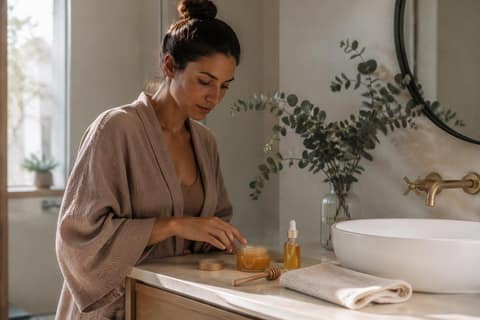
Honey in skincare: what it really does and when it works
Honey is trending in skincare, but raw honey, honey extract, and medical-grade honey serve different purposes. Learn what each one does. 10 October 2026 -

In-flight skincare kits: what to buy before you board
Airport skincare kits promise relief from dry cabin air. Learn which ingredients and travel-size products are worth packing before your flight. 27 September 2026 -
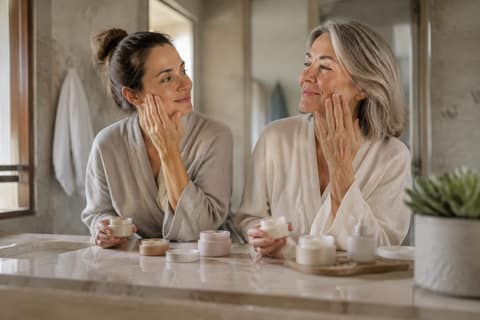
Martha Stewart's 84-Year-Old Skin and What 111SKIN Can Do
Martha Stewart's 111SKIN routine raises a useful question: what can luxury skincare do for different ages, and what is worth buying? 5 September 2026