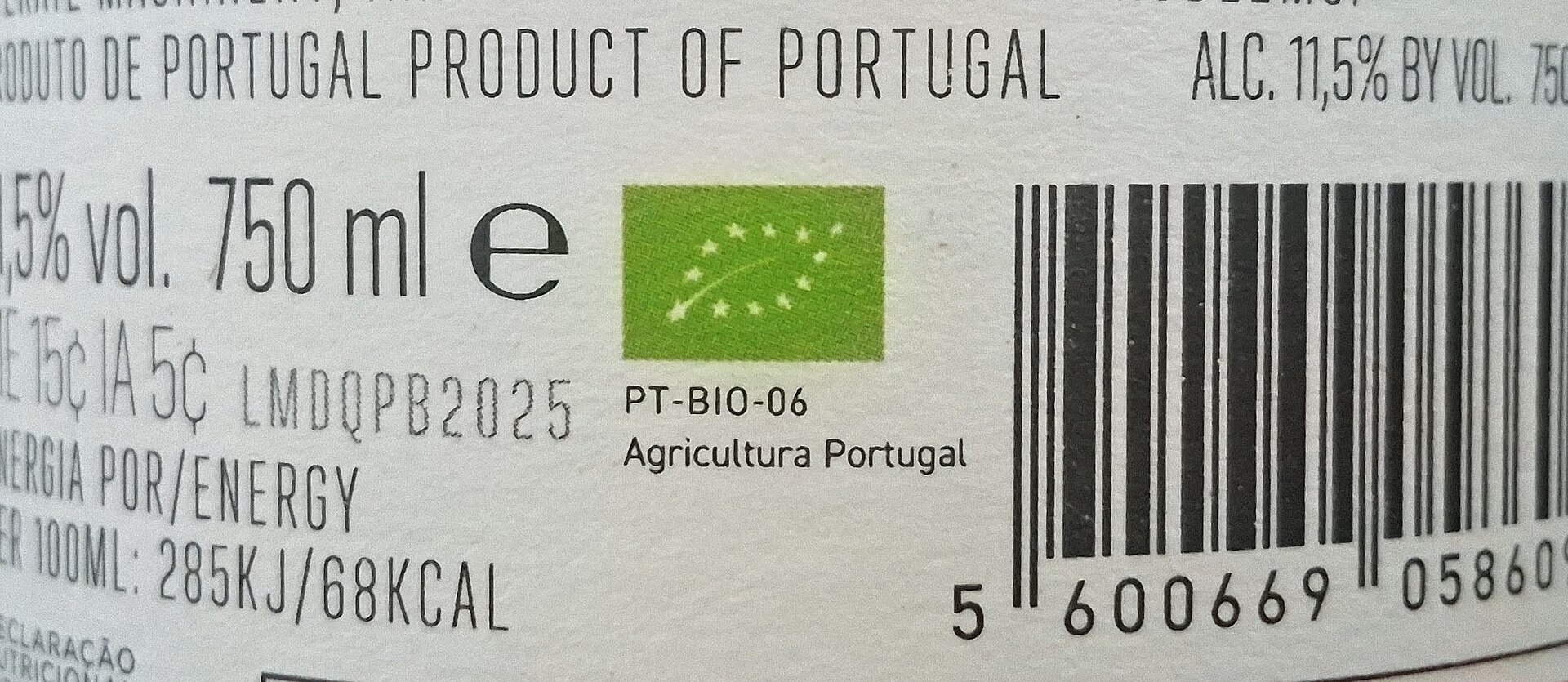
In the US, 'organic' on a skincare label means some agricultural ingredient was grown and processed without certain synthetic pesticides or fertilizers. But the word alone is not a legal promise. The Food and Drug Administration, or FDA, does not define 'organic' for cosmetics. A product can carry the USDA organic seal if its agricultural ingredients meet federal rules. A product that only prints 'organic' on the front may not meet any of them.
What does organic actually mean on a label?
Organic is an agricultural standard, not a performance standard. It covers how a plant or plant oil was grown and processed. Under USDA rules, products that display the organic seal follow federal standards for soil quality, pest control, and allowed processing aids. This does not mean every ingredient in the jar is organic. Water is not an agricultural ingredient. Some formulas carry organic certification for their botanical ingredients while still containing a small number of non-organic ingredients the standards permit.
When a label says 'organic' without a seal, the word can still be accurate, but you have to check who verified it. Some brands use 'organic' as a marketing word on the front label while the ingredient list tells a different story. Look for a certifier name, not just the word.
Is organic skincare better for your skin?
Not automatically. Organic certification tells you about farming practices, not whether the product will clear acne, fade dark spots, or repair a damaged barrier. Some organic ingredients are gentle. Oats, shea butter, and squalane can be useful in a moisturizer. But organic status can also sit next to fragrant essential oils and citrus extracts that burn on sensitive skin. Synthetic ingredients are not automatically worse, and organic ingredients are not automatically milder.
Skin reacts to the molecule, not the farm. Salicylic acid can exfoliate whether it comes from willow bark or a lab. A lab-made form is often more stable. Organic preservation systems can be less effective, which may shorten shelf life once water is in the formula. If a product separates, smells off, or changes color, stop using it.
Organic vs natural skincare
Natural has no federal definition in the US. A brand can call a product natural and include synthetic preservatives, synthetic dyes, or highly processed ingredients. Organic is more specific only when a certifier backs it. Natural may mean one plant extract next to a formula built on silicones. Neither term guarantees safety or results.
This distinction matters most when you compare prices. An organic or natural mark can add cost even when the active ingredient is low. Read the full ingredient list, not just the front label. If you want a plant-heavy formula, organic certification can be a useful filter. If you want an active like niacinamide or salicylic acid, the organic claim does not tell you whether it is present or effective.
Does organic skincare actually work?
It works like any skincare works. If the formula has ingredients that do the job at useful concentrations, the organic label does not change that. A basic organic moisturizer with shea butter and glycerin can hydrate dry skin. It will not treat acne unless it also contains a proven active. A serum with organic aloe water but no stable vitamin C will not fade dark spots.
Check what the product is supposed to do and find the ingredient that does it. Niacinamide, salicylic acid, benzoyl peroxide, and sunscreen filters are ingredients, not organic claims. If a product leads with 'organic' but never names the active, treat that as a red flag for performance.
How to check an organic claim
- Find the USDA organic seal or the name of the certifier, not just the word 'organic'.
- Look for 'made with organic ingredients.' That phrase signals a lower bar than a full organic seal.
- Read the first five ingredients after water. Those make up most of the formula.
- Match the active to the promise. For uneven tone, look for niacinamide or vitamin C. For breakouts, look for salicylic acid or benzoyl peroxide.
- Ignore 'chemical-free.' Water is a chemical and every ingredient is made of chemicals.
When to see a dermatologist
If a new organic product stings, burns, or leaves a rash, stop using it. If the reaction spreads or you have swelling around the eyes or lips, see a clinician quickly. For ongoing acne, rosacea, or eczema, a dermatologist can help you choose ingredients instead of labels. Organic certification will not override a diagnosis or an allergy.
FAQ
Q: Is organic skincare safer than synthetic skincare? A: Not automatically. Organic refers to farming and processing, not a safety test. Some organic botanical extracts and essential oils can irritate skin, while many synthetic ingredients have a long safety record.
Q: Can skincare be organic and still have preservatives? A: Yes. USDA organic standards allow certain preservatives in small amounts when needed. Some certified formulas use fewer preservative options, which can shorten shelf life. That is why changes in smell, color, or texture matter.
Q: Does 'made with organic ingredients' mean the same as organic? A: No. It usually means the formula contains some certified organic ingredients but does not meet the stricter organic product standard. Read the ingredient list to see how much of the formula that claim covers.
Q: Do I need organic products for sensitive skin? A: No. Sensitive skin often does better with fewer fragrance and essential oils, regardless of organic status. A simple, well-preserved formula with glycerin, ceramides, or niacinamide may work better.
This post is general information and not medical advice. If you have persistent irritation, see a clinician.
Before you pay more for an organic label, decide what job the product should do. If your barrier needs repair, look for ceramides and squalane. If breakouts are the issue, look for salicylic acid or benzoyl peroxide. Log the product in Roona and track how your skin responds over two to three weeks. The label gets you to the aisle. The ingredient list and your own tracking tell you whether it earns a place in your routine.
Frequently asked questions
- Is organic skincare safer than synthetic skincare?
- Not automatically. Organic refers to farming and processing, not a safety test. Some organic botanical extracts and essential oils can irritate skin, while many synthetic ingredients have a long safety record.
- Can skincare be organic and still have preservatives?
- Yes. USDA organic standards allow certain preservatives in small amounts when needed. Some certified formulas use fewer preservative options, which can shorten shelf life. That is why changes in smell, color, or texture matter.
- Does 'made with organic ingredients' mean the same as organic?
- No. It usually means the formula contains some certified organic ingredients but does not meet the stricter organic product standard. Read the ingredient list to see how much of the formula that claim covers.
- Do I need organic products for sensitive skin?
- No. Sensitive skin often does better with fewer fragrance and essential oils, regardless of organic status. A simple, well-preserved formula with glycerin, ceramides, or niacinamide may work better.
Sources
Trend source: Insightace Analytic (US)
Keep reading
-
SkinMedica's Barrier Calming Cream: What Regenerative Means
SkinMedica's Barrier Calming Cream uses the term regenerative. What regenerative skincare actually means, what to check on the label, and when to pause. 15 October 2026 -

Sephora's Tween Skincare Lawsuit: What Parents Need to Know
A clear guide for Singapore parents on the Sephora youth skincare lawsuit, ingredient labels, age-appropriate routines, and safer shopping decisions. 8 October 2026 -

Sephora Afterpay Sale Singapore: What to Buy and Skip
Make smarter Sephora Afterpay Sale purchases in Singapore with a practical guide to useful skincare, makeup and haircare deals worth skipping. 27 August 2026