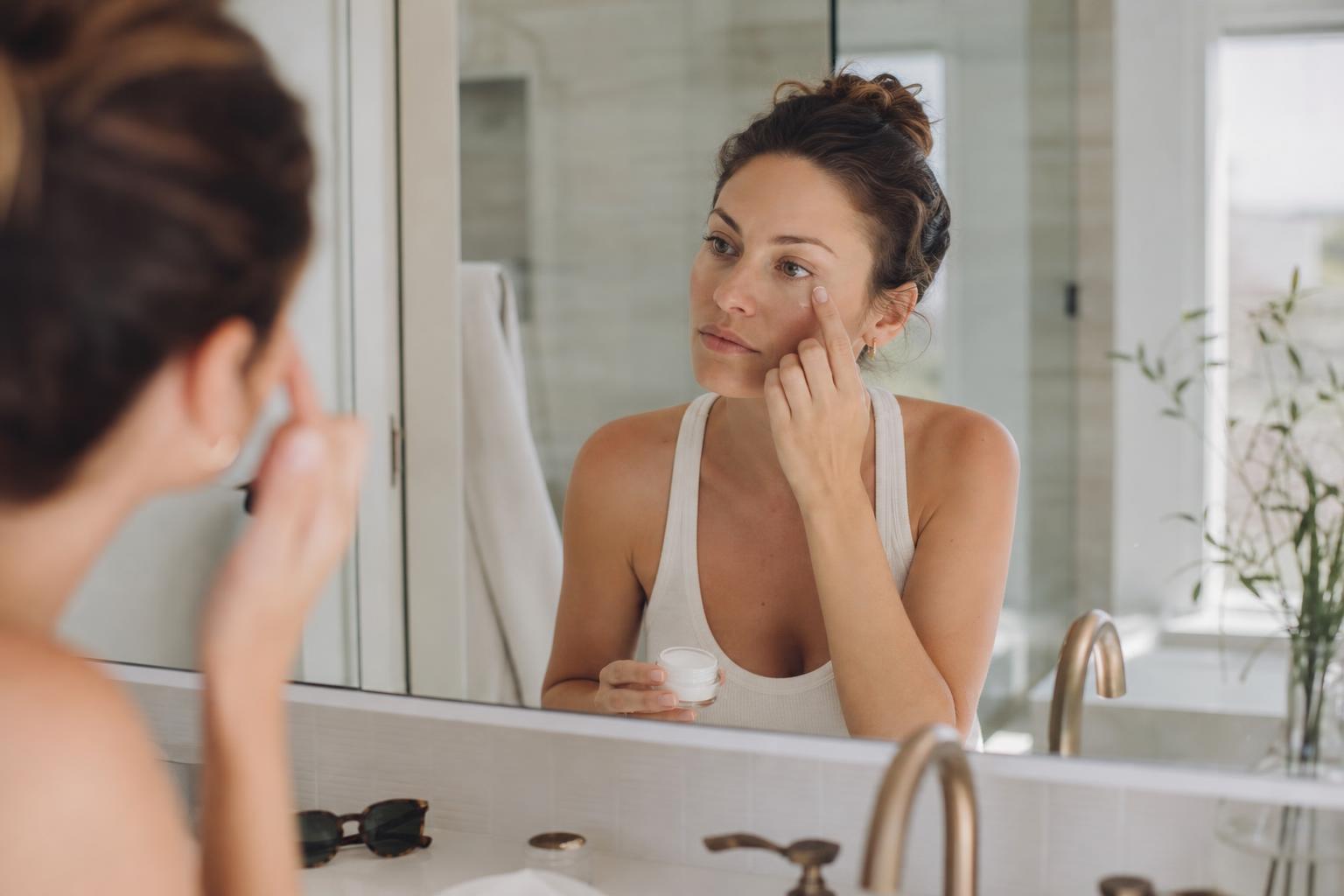
You finish your morning routine, catch your reflection in the bathroom mirror, and notice that the under-eye area looks different from the rest of your face. One day it looks puffy after a short night. The next, concealer settles into fine lines that were less visible before. Then a viral eye-tightening product promises a smoother look in minutes.
The eye area deserves a more specific routine than a smaller scoop of face cream. Its skin is thin, it has fewer oil glands than many other facial areas, and it moves every time you blink or squint. Those details shape what ingredients can do, how quickly irritation shows up, and which marketing claims deserve a closer look.
Why the eye area reacts differently
The skin around the eyes has less surface area and frequent movement. Blinking, facial expressions, rubbing, makeup removal, and exposure to dry air all add to the daily workload. The under-eye area can also look crepey when the surrounding skin lacks water, even when the rest of the face feels comfortable.
A separate eye cream is optional. A separate approach is useful. A light moisturizer may work well around your eyes if it does not sting, migrate into the eyes, or leave the area uncomfortable. A strong exfoliating acid that suits your cheeks may be too irritating near the lash line.
The eye area also shows temporary changes quickly. A salty meal, crying, seasonal congestion, or sleeping with your face pressed into a pillow can make puffiness more noticeable the next morning. A topical product cannot address every reason the area looks different from one day to the next.
What caffeine can do for under-eye puffiness
Caffeine is one of the most common ingredients in eye gels and serums. It can make the area look temporarily less puffy by constricting blood vessels at the surface. The visible effect depends on the formula, the amount used, and what is causing the puffiness in the first place.
Caffeine works best as a morning product for a short-term cosmetic effect. It does not permanently change under-eye bags or remove the structural shadow that creates a dark-looking hollow. A cooling metal applicator can add a brief cooling sensation, but the applicator itself does not make the formula more effective.
Apply a small amount to clean, dry skin along the orbital bone, rather than pressing product directly against the lash line. If the gel dries into a tight film, it may make makeup look more textured later in the day. Use less product before adding more.
Retinoids and fine lines around the eyes
Retinoids, including retinol and retinal, support skin renewal and can improve the appearance of fine lines with regular use. They can also cause dryness, peeling, stinging, and redness, especially in the thin skin around the eyes.
Choose a formula made for the eye area or use a low-strength product that your skin already tolerates. Start with one evening each week. Place a rice-grain-sized amount across the orbital bone and keep it away from the eyelids and lash line. If the area stays comfortable, increase use slowly rather than applying more product.
Use a plain moisturizer before or after the retinoid if dryness develops. Keep the rest of that evening routine simple. An exfoliating acid, a fragranced eye product, and a retinoid in the same small area create more opportunities for irritation without creating a better routine.
If you are pregnant, trying to conceive, or nursing, ask your healthcare professional about retinoid use. Product directions and personal health guidance take priority over a general skincare routine.
Peptides, niacinamide, and vitamin C
Peptides appear in many eye creams because brands position them as support for firmer-looking skin. Different peptides have different formulas and evidence, so the word peptide alone does not tell you how a product will perform. Expect a gradual cosmetic improvement at most, not an instant tightening effect.
Niacinamide can support the skin barrier and help reduce water loss when included in a well-formulated moisturizer. Lower concentrations often make more sense around the eyes than highly active formulas designed for the face. If a niacinamide product tingles near the eyes, move it farther away or stop using it there.
Vitamin C has a role in routines that protect against the visible effects of sun exposure. Pure L-ascorbic acid formulas can sting, especially on sensitive skin. A gentler vitamin C derivative may feel more comfortable, but the formula still matters more than the ingredient name on the front of the package. Do not apply a stinging product near the eyes just because it is popular elsewhere in your routine.
Hydration helps crepey-looking texture
Humectants such as glycerin and hyaluronic acid draw water into the outer layer of skin. Emollients and occlusive ingredients, including squalane, dimethicone, and petrolatum, help reduce water loss from the surface. Together, they can make fine, dry lines look less pronounced while the product sits on the skin.
This effect depends on continued use. A hydrating eye cream cannot erase lines that come from facial movement or changes in skin structure. It can soften the look of dryness, improve how concealer sits, and make the area more comfortable in dry indoor air.
For winter in the United States, apply moisturizer soon after cleansing and use a thin layer. In summer, a lighter gel or lotion may be enough, especially in humid regions. Keep the product on the orbital bone and avoid rubbing it into the eyes.
Sunscreen belongs around the eyes
Ultraviolet exposure contributes to visible changes in skin over time, including fine lines and uneven tone. Daily broad-spectrum sunscreen is one of the more dependable steps for protecting exposed skin, but the eye area needs care because sunscreen can migrate and sting.
Use a sunscreen that you can apply comfortably around the orbital bone. Mineral formulas with zinc oxide or titanium dioxide may suit people who react to some chemical sunscreen formulas, though any sunscreen can irritate an individual. Sunglasses and a brimmed hat add physical protection when you spend time outdoors.
Apply sunscreen in the morning as the final skincare step before makeup. Reapply when you are outdoors for extended periods, sweating, or swimming, following the product label. If sunscreen repeatedly gets into your eyes, use a stick or a formula designed for the face around the eye area, and keep it off the movable eyelid if the label directs you to do so.
What viral eye-tightening products can and cannot do
Some eye products create a thin film that dries on the skin. The film can temporarily pull the surface taut and make fine lines look softer for a few hours. This is a cosmetic effect that depends on the product remaining in place. Facial movement, rubbing, sweat, and makeup can change the result.
A tight or stiff sensation does not prove that a product changed the skin. Flaking, pilling, or visible residue can also make the area look smoother in one angle and more textured in another. Treat these products as occasional makeup-adjacent tools, not as replacements for sunscreen, moisturizer, or a tolerable long-term routine.
If a product causes burning, swelling, a rash, or persistent redness, wash it off and stop using it. Avoid trying to cover irritation with more concealer or another active ingredient.
A practical eye-area routine
A short routine gives you a better read on what each product does. Add one new product at a time and track the response over several uses.
Morning:
- Cleanse gently, or rinse with lukewarm water if your skin does not need a morning cleanser.
- Apply a hydrating moisturizer or eye product along the orbital bone.
- Use sunscreen around the eyes where the formula feels comfortable.
- Add sunglasses and a hat for bright outdoor conditions.
Evening:
- Remove eye makeup without rubbing. Hold a damp cotton pad over closed eyes for a few seconds before wiping gently.
- Apply moisturizer to the orbital bone.
- Use retinol or retinal on a separate evening from exfoliating acids if your skin tolerates it.
- Leave the lash line and the inner corner free from active products.
You can track your routine with Roona to record when you add an ingredient, where you apply it, and what changes you notice. A simple log can reveal that a product stings only after makeup removal, or that puffiness follows a pattern unrelated to your eye cream.
When puffiness needs a different approach
A cool, clean compress can reduce the appearance of morning puffiness for a short time. Resting with your head slightly raised may also change how fluid looks around the eyes after sleep. These steps are temporary, but they cost less than cycling through every viral eye gel.
Persistent swelling, one-sided changes, pain, vision changes, or a rash around the eyes calls for medical advice rather than a new skincare ingredient. The eye area is sensitive, and a healthcare professional can help identify a cause that cosmetics cannot address.
The most sensible eye-area routine is small: gentle makeup removal, comfortable hydration, sunscreen, and one carefully introduced active if you want it. Let each product earn its place by doing a specific job. If you want a calmer way to notice patterns and adjust your routine, Roona can help you keep that record.
Trend source: AOL.co.uk (US)
Keep reading
-
The 5-Minute Eye Gel Everyone's Buying: Does Speed Work?
Viral eye gels promise visible results in five minutes. Here is what those formulas actually do, how long it lasts, and how to judge the claim yourself. 17 August 2026 -

Sharing a Skincare Shelf With Your Partner: What Works
Couples share moisturizer, sunscreen and serums all the time. What's genuinely fine to double up on, and what deserves its own bottle. 2 August 2026 -
Glowcations: Why Seoul Is the New Skincare Getaway
Seoul's skincare travel trend blends clinic appointments, K-beauty shopping, and routine planning into a more thoughtful alternative to the spa weekend. 5 September 2026