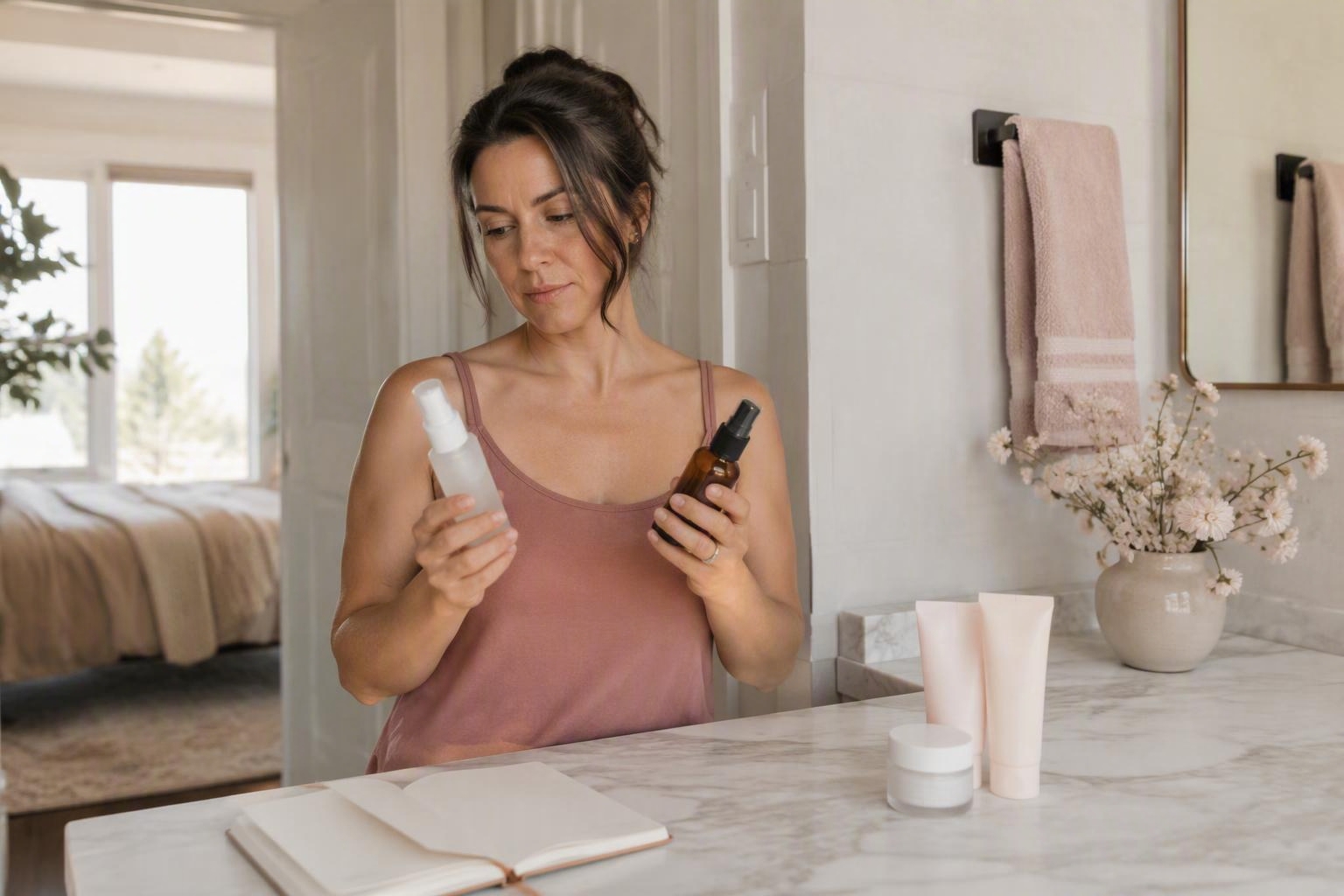
You are standing in an Ulta aisle, comparing a familiar retinol serum with a newer product built around the word "longevity." The packaging sounds more like wellness technology than a night cream. Darkfin Labs' reported Ulta launch puts that language in front of a much larger beauty audience, which makes the timing useful for a closer look.
Longevity skincare can point to sensible habits, such as daily sunscreen and a retinoid at night. It can also stretch into claims about cellular aging that a topical product cannot prove from a jar alone. The difference matters when a category borrows language from biology, wellness, and high-end beauty at once.
What longevity science means in skincare
In skincare, longevity usually refers to keeping skin functioning well over time and limiting visible changes linked with cumulative stress. That can include uneven tone, rough texture, dryness, and the gradual loss of firmness that comes with aging. A brand may connect those concerns to concepts such as oxidative stress, inflammation, cellular repair, or senescence.
Those concepts come from real areas of biological research. A product label still needs a more specific question: what does the formula do on the skin, at what concentration, and with what evidence?
A cream cannot establish that it extends human lifespan. It also cannot turn a broad biological theory into a proven cosmetic result. In the United States, a product that claims to treat disease or change the structure or function of the body can raise drug-claim issues under Food and Drug Administration rules. Cosmetic language generally stays closer to appearance, such as smoothing the look of fine lines or improving the appearance of uneven tone.
That distinction gives shoppers a useful filter. "Supports skin longevity" is a broad positioning statement. "Contains retinal to help reduce the appearance of fine lines" identifies an ingredient and a visible goal. The second statement gives you more to assess.
What Darkfin Labs' Ulta launch signals
Happi's coverage of Darkfin Labs' Ulta debut points to a larger shift in how longevity language reaches shoppers. A concept that once appeared mainly in wellness conversations can now sit beside cleansers, peptide serums, and sunscreen in a mainstream beauty retailer.
Retail placement changes the decision in practical ways. You can encounter the brand while shopping for a moisturizer, compare its claims with established categories, and find it through the same search and merchandising systems used for everyday skincare. Longevity becomes a shelf message, not only a science term used by specialist brands.
That wider access has a benefit. It can prompt better conversations about prevention, sun exposure, and long-term routine design. It also raises the standard for clear claims. A shopper should be able to tell whether a product relies on a well-known ingredient, a proprietary blend, a laboratory test, or a study on finished-product use.
The launch does not prove that every longevity claim has equal support. It shows that the language has found a place in mass beauty retail. The formula still deserves the same scrutiny as any other serum or cream.
The ingredients with the clearest practical role
Longevity language can make ordinary routine steps sound futuristic. Several familiar ingredients have a more useful story because their cosmetic roles are easier to understand.
- Broad-spectrum sunscreen: UV exposure contributes to visible changes in tone and texture. A broad-spectrum SPF product used during the day helps protect exposed skin from that exposure. Apply it as the final morning skincare step, then reapply when you spend extended time outdoors, sweat, or swim.
- Retinoids: Retinol and retinal are vitamin A derivatives used in cosmetic routines for the appearance of fine lines and uneven texture. Start with a low frequency at night, use a small amount, and keep the rest of the routine plain while your skin adjusts. Follow the product label and ask a clinician about retinoids if you are pregnant or trying to become pregnant.
- Vitamin C: Ascorbic acid and other vitamin C forms appear in products aimed at uneven tone and antioxidant support. Formula stability varies, so packaging and storage matter. Use a product according to its directions rather than assuming a stronger percentage will suit you better.
- Niacinamide: This form of vitamin B3 appears in products for visible redness, uneven tone, and excess oil. It fits well into a morning or evening routine and often pairs with a simple moisturizer.
- Peptides: Peptides are short chains of amino acids used in formulas that target the appearance of firmness or fine lines. The word "peptide" covers many different ingredients, so the product's stated goal and testing matter more than the category name alone.
These ingredients do not become more effective because a label places them under a longevity heading. They remain useful or unsuitable according to the formula, your skin, and how the product fits into your routine.
Where the science language can run ahead
The phrase "cellular longevity" can sound precise while leaving out the detail a shopper needs. A lab test on cells or a small ingredient study may show one type of activity under controlled conditions. That result does not automatically predict what a finished serum will do for the appearance of skin in daily life.
The same problem appears with proprietary blends. A brand may explain the concept behind a blend without disclosing enough detail for you to compare it with a familiar ingredient. Proprietary language does not make a formula ineffective, but it gives you less information for choosing between products.
Watch for claims that jump from a biological process to a sweeping promise. Phrases about reversing aging, resetting cells, or extending skin's life deserve extra care. Ask what visible concern the product targets, how often you use it, and what evidence supports the finished formula. If those answers stay vague, the science language may be doing more work than the skincare.
Marketing can also turn age into a problem to solve. Skin changes over time, and a routine can support comfort and appearance without treating age as a defect. A useful product earns its place through a clear purpose, not through fear of the next birthday.
How to judge a longevity skincare product at Ulta
You can assess a new launch without memorizing every research term. Start with the product page, then check the label and your existing routine.
- Name the target. Look for a specific cosmetic goal, such as improving the appearance of uneven tone, fine lines, dryness, or texture.
- Find the active ingredients. Check whether the formula includes a familiar ingredient such as sunscreen filters, retinol, niacinamide, vitamin C, or peptides. Learn the full ingredient list before buying if you know you react to fragrance or essential oils.
- Read the directions. A retinoid serum may belong at night, while sunscreen belongs in the morning. Directions also tell you how much to use and whether the product needs special storage.
- Check the testing language. Look for details about testing on the finished product, the measured outcome, and the time period. A general reference to "science-backed" tells you less than a clear description of what the test measured.
- Add one change at a time. Introducing a longevity serum alongside a new exfoliating toner and a retinoid makes it hard to identify the cause of irritation. Keep your cleanser and moisturizer steady while you assess the new step.
Ulta's reviews can help you spot practical details such as texture, scent, packaging, and pilling under sunscreen. Treat reviews as personal experiences, not proof that a product will produce the same result for you.
A calmer routine beats a crowded longevity shelf
A routine built around daily sunscreen, gentle cleansing, a moisturizer, and one targeted treatment gives you a clearer way to assess any new product. In a dry United States winter, indoor heat can make a retinoid or exfoliant feel harder to tolerate. In humid summer weather, a lighter moisturizer may fit better, but sunscreen still belongs in the morning.
Keep the schedule simple:
- Morning: cleanse or rinse, apply a treatment such as niacinamide or vitamin C if it suits you, moisturize, then use broad-spectrum sunscreen.
- Evening: cleanse, apply a retinoid or other targeted treatment on the nights you choose, then moisturize.
- Adjustment days: use cleanser and moisturizer only when your skin becomes dry, tight, or irritated. Add treatments back one at a time.
A routine log can make this process more useful than a rapid product swap. Track your routine with Roona to record products, timing, and changes you notice across weeks. That record helps separate a promising claim from a product that simply arrived during a good or difficult stretch for your skin.
What longevity skincare can deliver
The strongest version of longevity skincare is practical. It points you toward habits that protect the appearance of skin over time, including sun protection, a tolerable retinoid routine, moisturization, and careful product selection. It can also encourage brands to explain how ingredients connect to a visible goal.
The weaker version uses biological vocabulary as a shortcut to certainty. A product may contain an interesting peptide or antioxidant, yet the label cannot establish that it changes the course of human aging. Longevity is a useful prompt to ask better questions, not a reason to suspend them.
Darkfin Labs' move into Ulta makes that distinction easier to see. The category has reached a familiar retail setting, but shoppers still get to decide which claims deserve a place in the bathroom. Choose the ingredient, step, and evidence that match your actual routine. If you want a quieter way to watch how those choices work together, learn more about Roona and build your record at your own pace.
Trend source: Happi | Household And Personal Products Industry (US)
Keep reading
-
Eye-Area Skincare: What Works for Puffiness and Fine Lines
Learn what eye creams, caffeine, retinoids, peptides, sunscreen, and cold compresses can realistically do for puffiness and fine lines. 30 August 2026 -
Sharing a Skincare Shelf With Your Partner: What Works
Couples share moisturizer, sunscreen and serums all the time. What's genuinely fine to double up on, and what deserves its own bottle. 2 August 2026 -

Sephora's Tween Skincare Lawsuit: What Parents Need to Know
A clear guide for Singapore parents on the Sephora youth skincare lawsuit, ingredient labels, age-appropriate routines, and safer shopping decisions. 8 October 2026